| |
|
|
Rescue
|
|
|
|
Steve, Terri and Bindi
Irwin were born into wildlife rescue,
their parents were rescuing animals off the side of
the roads in Australia and the U.S.A before they were born.
“WE CONTINUE THE FAMILY TRADITION OF WILDLIFE RESCUE”
Since 1970, the establishment of Australia Zoo, the Irwin
family was heavily involved in rescuing native Australian
animals. Lyn Irwin pioneered marsupial raising techniques
and Bob was a reptilian specialist! Historically Australia Zoo was comprised of
animals which have been rescued by the Irwin’s and were
unable to be released back into the wild. Of the hundreds
that remain at the Zoo, thousands have been released
back into specially selected wilderness areas where
there is little or no chance of them coming into conflict
with humans. Australia Zoo also sponsors regional wildlife
carer groups to ensure we
still assist those further a field of the Zoo. |
|
|
|
Marsupial
Rescue
|
|
|
|
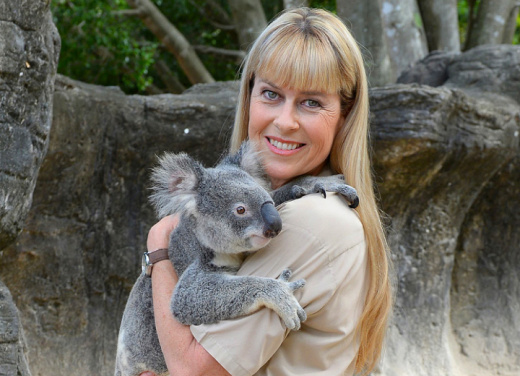
Lyn Irwin established the on-going rescue and rehabilitation
of sick, injured, orphaned and elderly kangaroos, wallabies,
small macropods, koalas, platypus,
wombats, possums and gliders.
|
Kissing
Gliders
(Click
photos to enlarge)
|
Baby Wombat in Rehab
|
|
Two Koalas
|
Tawny
Owl
|
| |
|
Click here for Lyn Irwin Memorial Fund
In 1999 we purchased a large brick veneer house, strictly
for Australia Zoo rehabilitators and their family to
carry on the Irwin family tradition of caring for marsupials
in need. The whole household and yard is over run with
joeys all year round.
|
|
|
|
Reptile
Rescue
|
|
|
| Bob Irwin was the only man in the world who tailed venomous
snakes as the preferred capture technique (the least intrusive
method and therefore the most gentle on the reptile). Every single day the Australia Zoo reptile
team is involved in venomous snake rescue.
They have been personally trained by Steve Irwin
and Wes Mannion,
and have never been bitten or envenomated. All species of reptiles are rescued on a daily
basis, however, venomous snakes pose the greatest threat
to human life and are addressed as potentially life threatening. Both venomous and non-venomous reptiles are
relocated to wilderness areas as quickly as possible if
the situation does not allow for them to remain. |
|
|
|
Avian Rescue
|
|
|
| Australia
Zoo is called on to rescue all bird species, from emus
to budgerigars. Cornered
emus are very dangerous and can deliver a fatal kick,
birds of prey have sharp locking talons, parrots and cockatoos
can bite through steel. Special handling equipment, staff and containers
are essential. |
|
|
|
Spider & Insect Rescue
|
|
|
| Australia is home to some of the deadliest
spiders in the world- Funnelwebs
and Redback spiders actually cause human fatalities. In addition to venomous spiders the Australia
Zoo team is called on to capture scorpions, centipedes
and beetles. |
|
|
|
Marine
Rescue
|
|
|
| Situated just 15 minutes from the
Pacific Ocean, Pumicestone Passage and estuarine waterways means we are constantly
called on to rescue marine wildlife. We have six boats,
from small crocodile catching dinghies to a 23ft cabin
cruiser, all utilised to rescue – turtles, crustaceans,
sharks, sea-birds and sea-snakes and dugongs. |
|
|
|
Crocodile
Rescue
|
|
|
|
Click
here to view information on the Crocodile Rescue Unit
Three 4WDs fully equipped are currently
being utilised or on stand-by 24 hrs/day,
365 days/year. For very large animals we use our own
small, medium and large trucks. At times we can have
up to 6 Australia Zoo vehicles in the field doing rescue
work at any one given time.
Every vehicle is fitted with radios,
mobile phones, long-range fuel tanks,
capture/restraining gear, holding/transport crate and
bags, temperature control, first aid and emergency vet
supplies, lights, protective materials and tools.
Boats range from 10ft punt to 14ft black, croc dinghies to
a 23ft all-weather cabin cruiser. All boats are completely
decked out with rescue gear, communications and safety
equipment.
|
|
|
|
Rescue
Personnel
|
|
|
| Every
Australia Zoo team member must be St. John’s Ambulance
first aid certified, any high risk rescue must have at
least one senior, advanced first aid certified person;
working knowledge of the species to be rescued and the
terrain; understanding capture and restraining techniques;
people skills to help educate people in conflict with
wildlife; physically fit, rehearsed in emergency and workplace
health and safety procedures. Australia Zoo has in excess
of 100 staff who make up the rescue team. We are asked by the Fire, Electrical
and Water departments; police, ambulance, government and
emergency services, school teachers, citizens and tourists
to rescue wildlife. |
|
|
|
Rescuee's
Future
|
|
|
|
Every single animal is assessed individually.
If veterinary care is required we send it directly to
the Nicklin Way Veterinary clinic or treat minor wounds and
injuries ourselves. Holding facilities at the Zoo ensure
every animal’s veterinary and husbandry needs are met.
99% of all animals rescued that don’t
have permanent or fatal wounds or injuries are released
back in to the wild in the best possible habitat so
that they don’t come into conflict again. Permanently
disabled animals are held at the Zoo or placed with
designated wildlife carers
we know and trust will provide them with the best possible
life. |
|
|
|
|