Open Daily 9.00am - 5.00pm
Bedtime for some of our animals is 4:30pm.
Open Daily 9.00am - 5.00pm
Bedtime for some of our animals is 4:30pm.


Located an hour north of Brisbane on Queensland’s Sunshine Coast, Australia Zoo has a team of passionate conservationists working around-the-clock to deliver animal experiences like no other.
Steve and Terri Irwin’s vision has always been to make Australia Zoo the biggest and best wildlife conservation facility in the world. There is no zoo like Australia Zoo!
Stephen Robert Irwin was born on February 22, 1962, in Upper Ferntree Gully, Victoria. His parents moved their family to Beerwah, Queensland, and opened the Beerwah Reptile Park in 1970.
Terri Raines was born in Eugene, Oregon, USA on the 20 July 1964. Her father drove heavy-haul trucks and would often bring home wildlife that had been injured on the road. This instilled in Terri a love for wildlife and a desire to help animals.
Bindi Sue Irwin is a passionate wildlife conservationist, who has inherited her parents’ love for wildlife and wild places. Born to Wildlife Warriors Steve and Terri Irwin, Bindi is a determined soul, destined to make a positive difference on the planet.
Robert Clarence Irwin was born on December 1, 2003 and the abundance of energy he brings to Australia Zoo is contagious! With his love of nature, he enjoys wildlife photography, feeding crocodiles and learning about the world around him.
Visit us at Australia Zoo to see over 1,200 animals including those found in our African Savannah, South-East Asia exhibit and Bindi’s Island – as well as the original part of the zoo with all your Aussie favourites!
When you visit Australia Zoo, you are making a difference to the conservation of wildlife. Every dollar you spend supports conservation projects around the world.
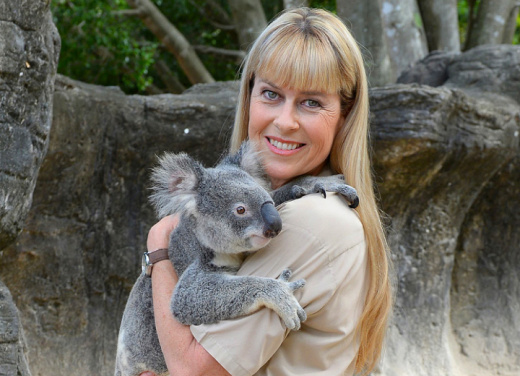
Our conservation projects are helping to protect species from tigers in Sumatra and cheetah in Africa, to saltwater crocodiles and koalas in Australia. The ultimate mission of Australia Zoo is to save one, save the species.
There are so many ways to fall in love with our gorgeous animals! From seeing them in homes replicating their natural habitat to meeting them one-on-one, we have an epic experience for everyone!
There is plenty to do at Australia Zoo. It’s as wild as life gets!
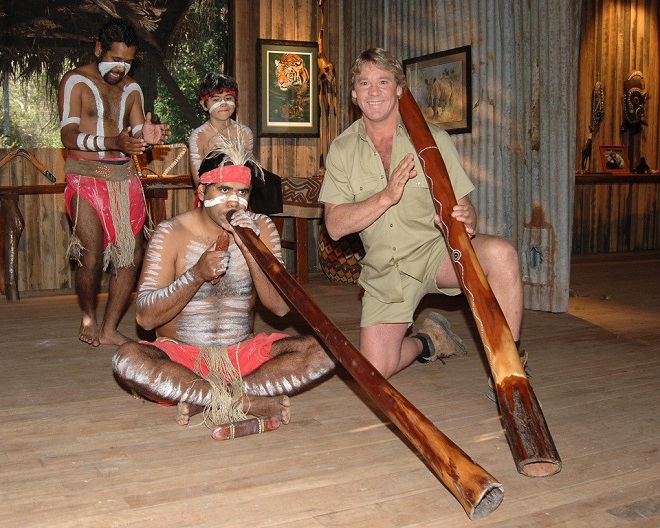
We proudly acknowledge the Gubbi Gubbi people, their Country, spirit and traditions as customary owners of the lands upon which Australia Zoo stands.